Low voltage drop DC SSR, charging and discharging DC SSR launched.
- Uses low-voltage drop solid-state devices, low power consumption, no need for heat dissipation with a heat sink.
- On-state voltage drop: ≤0.01~0.5V
- Mainly used for low-voltage, high-power DC electrical equipment that operates without the need for additional heat sinks, such as LED power switches, battery charging and discharging switches, low-voltage electric heaters switches, etc.
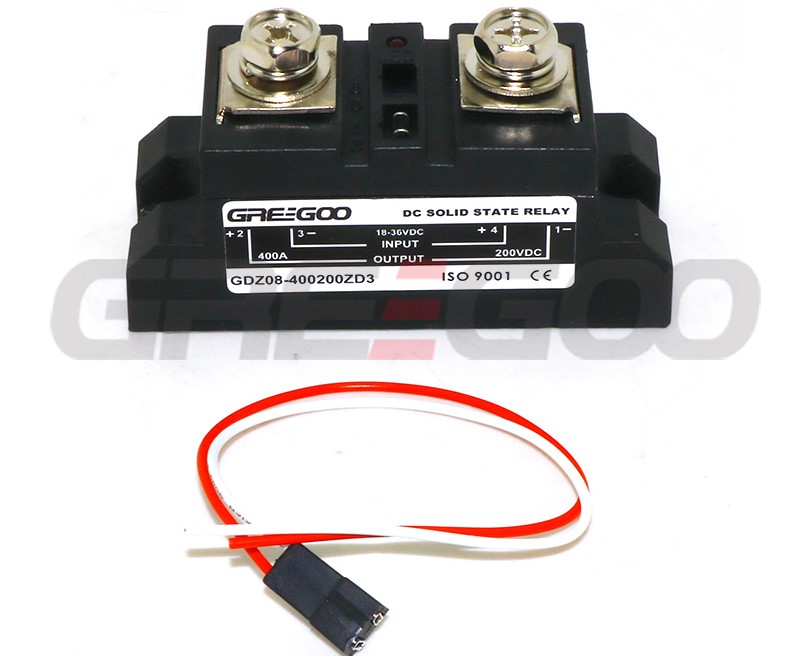
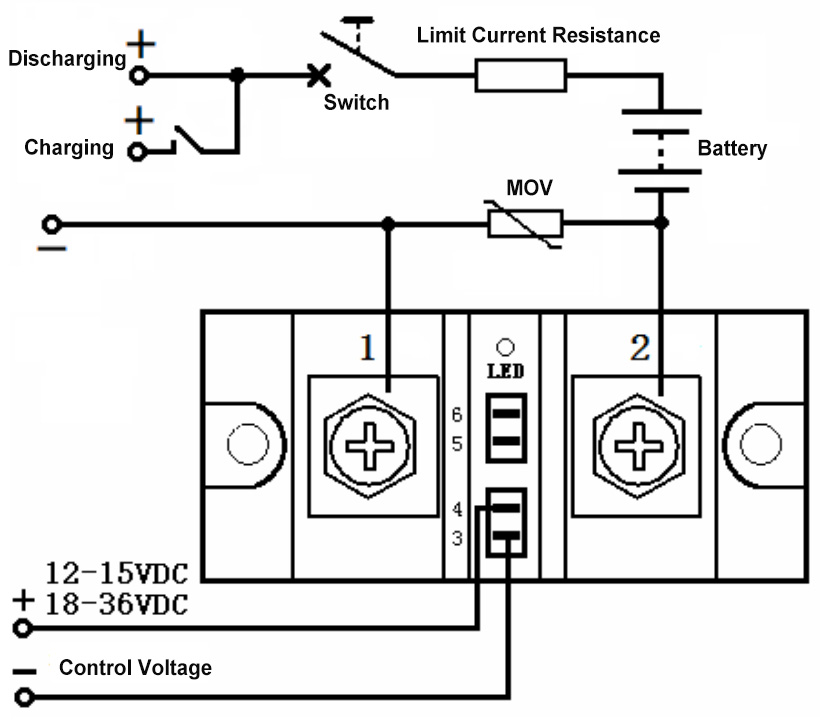
- Individual solid-state switches can be used for charging and discharging batteries and capacitors.
- The GZ10SL model has automatic protection functions for overcurrent and short circuits.
- This product is used for DC charging and discharging switches in electric vehicles or battery power supplies.
𝑪𝒐𝒏𝒔𝒊𝒅𝒆𝒓𝒂𝒕𝒊𝒐𝒏𝒔 𝒇𝒐𝒓 𝑺𝒐𝒍𝒊𝒅 𝑺𝒕𝒂𝒕𝒆 𝑹𝒆𝒍𝒂𝒚𝒔 𝑺𝒆𝒍𝒆𝒄𝒕𝒊𝒐𝒏
For resistive loads, a 2-3 times higher load current can be selected. For inductive or capacitive loads, a 3-4 times higher load current can be selected.
Read More
DC solid state relay and DC contactor, which one is better?
DC Solid State Relays (DC SSR) and DC contactors are both switching devices used to control circuits, but they have significant differences in working principles, performance and application.
Read More
Vacuum Contactor vs. AC Contactor, What is the Differences?
Vacuum contactors provide superior durability and low maintenance for high-voltage systems, while AC contactors are cost-effective and versatile for lower-voltage needs.
Read More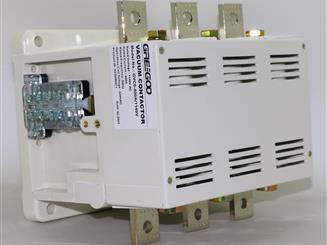
What are the main difference between electrical holding and magnetic holding in vacuum contactor?
In summary, the main difference between electrical holding and magnetic holding in a vacuum contactor is the method used to maintain the closed position of the main power contacts when the coil is de-energized. Electrical holding uses an external electrical circuit to provide continuous holding force, while magnetic holding relies on the energy stored in a permanent magnet to maintain the closed position without an external power supply.
Read More