Greegoo's Arc Fault Circuit Interrupter (AFCI) detects arc faults and de-energizes the circuit before a fire can start, is coming soon.
Arc Faults may arise from a number of situations
• Damaged wires
• Wires pinched to grounded metal box
• Worn electrical insulation
• Corroded connections
• Loose electrical connections
• Shorted wires
• Wires or cords in contact with vibrating metal
• Overheated or stressed electrical cords and wires
• Misapplied/damaged appliances
Greegoo's combination AFCIs help protect against all types of arc faults
An arc fault circuit interrupter (AFCI) detects arc faults and de-energizes the circuit before a fire can start. GE Combination AFCIs offer multiple kinds of protection.
1. Parallel protection − Combination AFCIs can detect and interrupt parallel arc faults (line-to-line, line-to-ground, line-to-neutral, or a series arc fault).
2. Series Protection − A series arc fault is the unintended flow of electricity over a gap within a single wire. These arc faults were not detectable until advanced technology allowed the development of the Combination AFCI breaker.
3. Overload protection.
4. Short circuit protection.
These combination AFCIs electronically identify unique current and voltage characteristics of all arc faults and de-energize the entire circuit when one occurs.

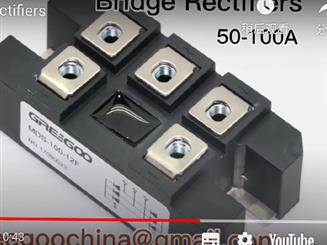
Bridge Rectifier Modules, Diode Bridge Rectifiers
Greegoo's rectifier bridge covering single three/3 phase full wave bridge rectifier, diode bridge, ac to dc rectifier. Diode bridge module, good replacement of IXYS, Semikron, Powerex, Vishay and Crydom bride rectifier.
Read More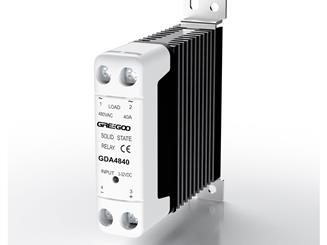
What's the difference of Solid State Relay from Magnetic Contactor?
Solid-state relays (SSRs) and magnetic contactors are both types of electrical switches used for controlling power circuits. It's important to consider the specific application requirements and load characteristics when choosing between an SSR and a magnetic contactor, as each has its advantages and limitations.
Read More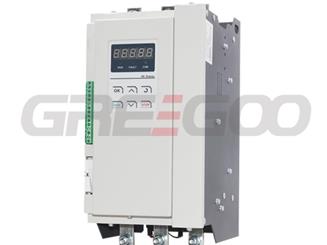
3 Phase Universal SCR Power Controller
Universal SCR power controller, three phase 25A to 2500A, single phase 10A to 800A, can fully replace brands such as Germany's AGE, Japan's RKC, Italy's CD, and brands from Europe, America, Japan, and Korea.
Read More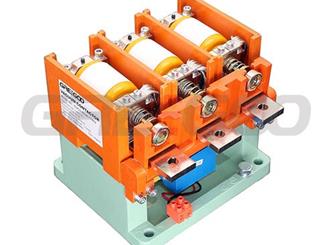
Greegoo's Vacuum Contactors Features and Benefits
Vacuum contactors are electrical devices with high performance, high safety, and high energy efficiency, suitable for various industrial and commercial applications.
Read More