


Fast Recovery Epitaxial Diode vs Fast Recovery Diode Module
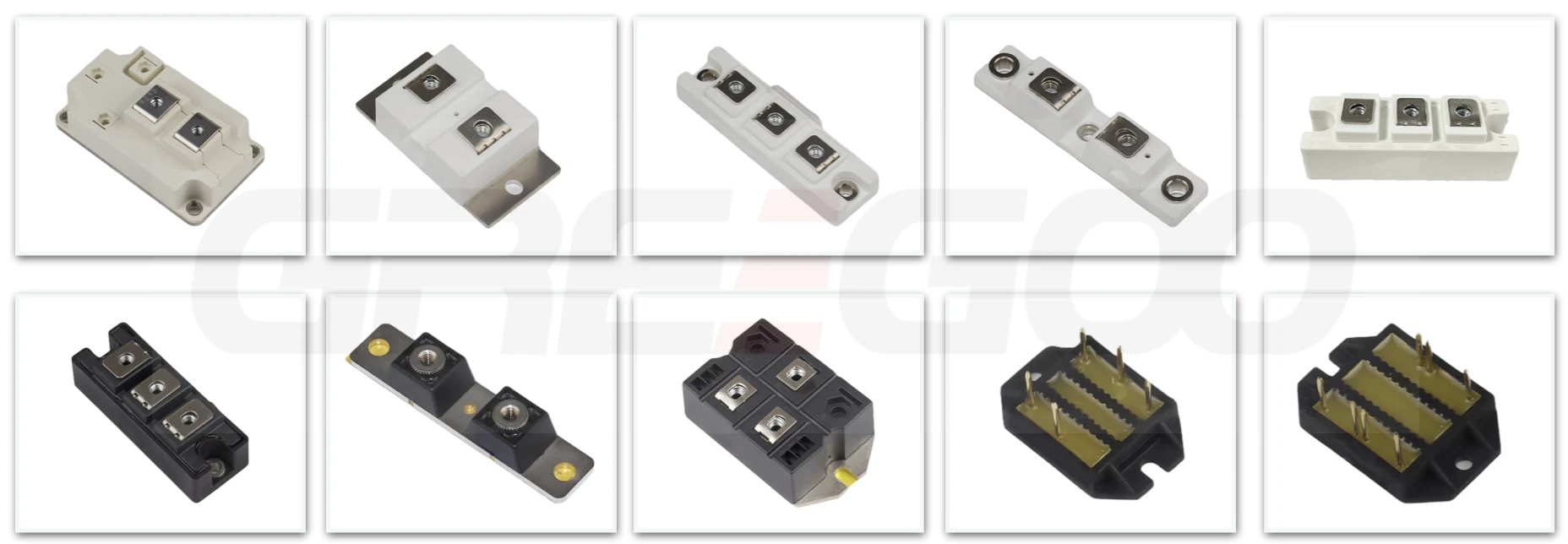
FRED (Fast Recovery Epitaxial Diode) diodes use epitaxial layers for ultra-fast recovery times, typically under 50 ns, ideal for high-frequency, RF, and high-speed switching applications. They have very low reverse recovery charge, reducing switching losses. FRD (Fast Recovery Diode) is a broader category of silicon-based diodes designed for fast recovery, usually with recovery times from 50 ns to hundreds of nanoseconds. While both are used in power switching, FREDs are specialized for ultra-high-speed, low-loss applications, whereas FRDs are more versatile for general high-speed rectification in power supplies and motor drives.
| Aspect | FRED (Fast Recovery Epitaxial Diode) | FRD (Fast Recovery Diode) |
|---|---|---|
| Construction | Epitaxial layers for ultra-fast recovery | Silicon-based, optimized for fast recovery |
| Recovery Time | Usually < 50 ns, often very low (~a few ns) | 50 ns to a few hundred ns |
| Application Focus | Ultra-high-speed, RF, high-frequency switching | General high-speed power rectification |
| Performance | Minimized reverse recovery charge, very efficient | Good for high-speed switching, but not ultra-fast |
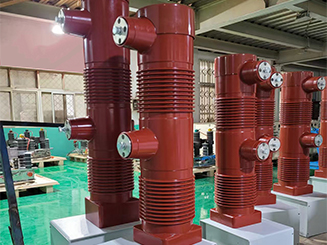
Performance Advantages of Embedded Pole Technology Vacuum Contactor
Performance Advantages of Greegoo's Embedded Pole Technology Vacuum Contactors
Read More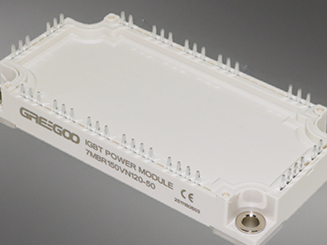
The IGBT topology comparison and selection guide
A comparison of common IGBT module topologies, their circuit features, and typical applications.
Read More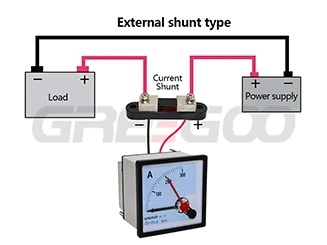
How to use DC Current Shunt? A Comprehensive Guide on DC Shunt Resistor
Understanding DC Current Shunts, A Comprehensive Guide.
Read More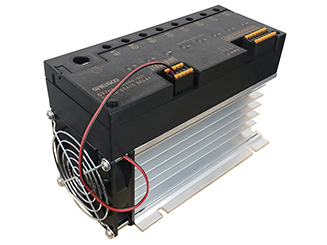
G320A Series 8-Channel SSR Temperature Control Unit feature of 3 in 1 Integration and Distributed Temperature Control
"3-in-1 Integration" and "Distributed Temperature Control" of 8 channel SSR for temperature control unit
Read More

We value your privacy
We use cookies to enhance your browsing experience, serve personalized ads or content, and analyze our traffic. By clicking "Accept All", you consent to our use of cookies.
