


DC output solid state relay
Home Products Solid State Relay (DC to DC)DC output solid state relay
DC output solid state relay

10A to 180A DC to DC Solid State Relay
10A to 180A, 100V to 1200VDC SSR, panel mount.

GDZ08 DC DC Solid State Relay 120A to 600A 100V to 1200VDC
120A to 500A, 100V to 1200VDC
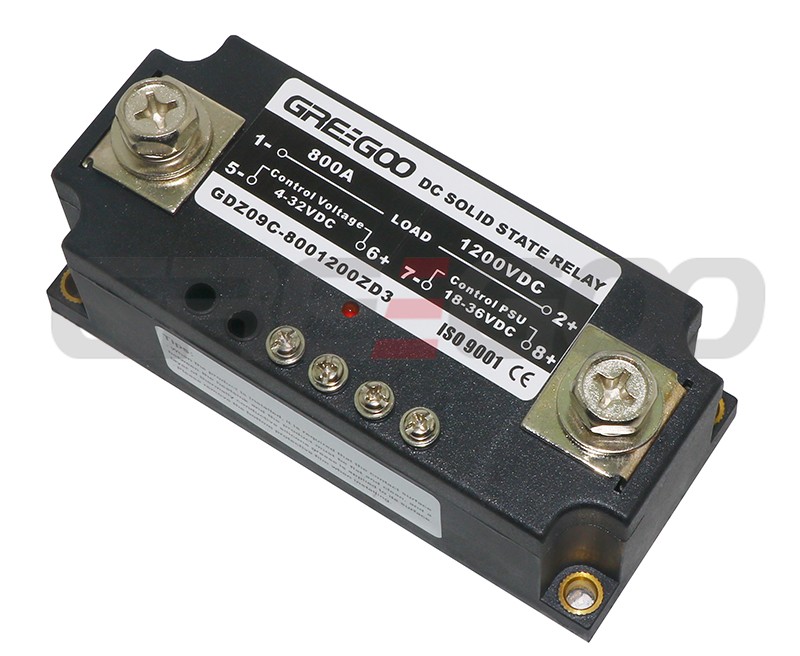
GDZ09 DC to DC high current solid state relay 500A to 2000A
600A to 2000A, 100V to 1200VDC
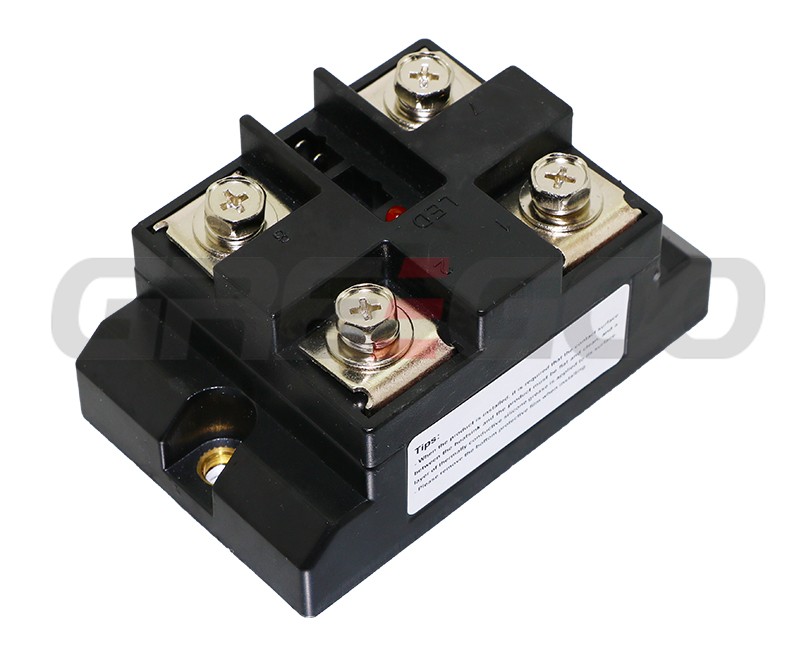
DC Solid State Relay built in Freewheeling Diode (GDZ06)
60A to 200A, 100V to 1200VDC, Built in Freewheeling Diode DC SSR, recommend for inductive load.
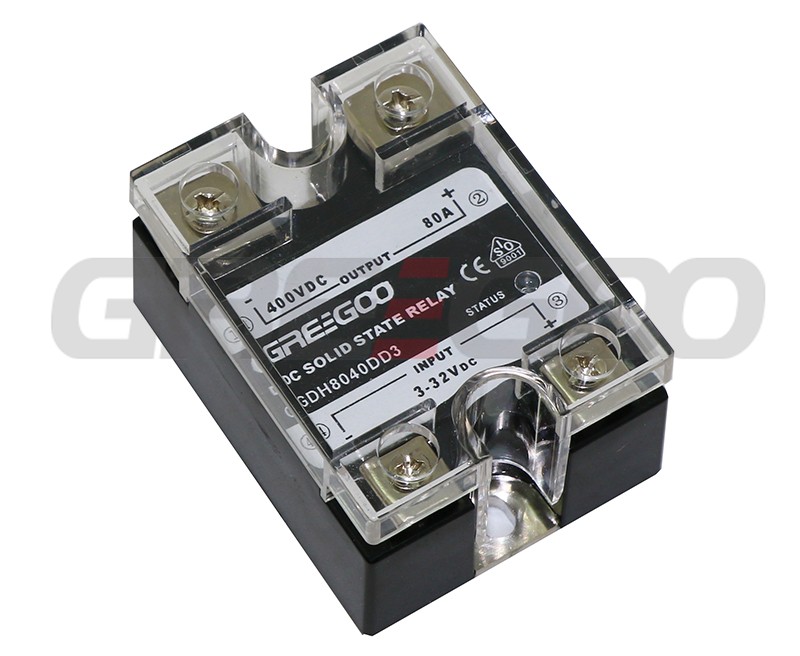
DC solid state relays
10A to 120A, 80V to 600VDC solid state relay, economical type
A DC Solid State Relay (DC SSR) is an electronic switch used to control DC circuits. It operates through semiconductor devices like MOSFETs or IGBTs, without mechanical parts, resulting in long lifespan, fast response, noiseless operation, and high reliability. Solid state relays are suitable for applications requiring rapid and frequent switching, such as automation control systems, industrial equipment, and heating control, enhancing system efficiency and reducing maintenance costs.
A freewheeling diode, also known as a flyback diode, is connected in parallel with an inductive load (e.g., motor, inductor, or transformer) in electronic circuits to provide a path for the current when the switching device (e.g., transistor, IGBT, or thyristor) turns off. This prevents voltage spikes caused by the inductive load’s stored energy, protecting the circuit and reducing electromagnetic interference (EMI).
Greegoo's low voltage drop solid state relay is engineered for complete elimination of heat sinks. With its revolutionary ultra-low conduction voltage drop (<0.1V), it dissipates less than 3W at a 30A load—over 90% lower than conventional solutions (30-45W)—fundamentally eradicating thermal challenges. This means: no bulky heatsinks, saving 60-80% space; no forced-air cooling, enabling unrestricted mounting; no ventilation cutouts, preserving enclosure integrity; and no complex thermal simulations, simplifying system design. It is the ideal solution for space- and thermally-constrained applications such as compact devices, sealed cabinets, and high-density installations, delivering truly miniaturized, highly reliable DC control.


We value your privacy
We use cookies to enhance your browsing experience, serve personalized ads or content, and analyze our traffic. By clicking "Accept All", you consent to our use of cookies.
