


Performance Advantages of Embedded Pole Technology Vacuum Contactor
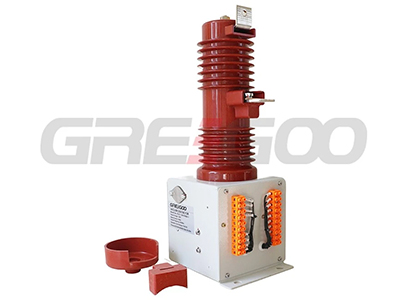
Environmental Protection: The resin creates a completely airtight and moisture-proof seal. This prevents dust, humidity, and chemical contaminants from reaching the interrupter, making it ideal for harsh industrial environments or high-altitude use.
Dielectric Strength: By eliminating the air gap around the vacuum interrupter, the resin significantly increases the insulation strength. This allows for a more compact design without the risk of external flashovers between phases.
Mechanical Durability: The solid "block" of resin protects the fragile ceramic vacuum bottle from physical shocks, vibrations, and mechanical stresses during high-frequency switching.
Maintenance-Free: Because the primary parts are sealed away from the atmosphere, there is no need for internal cleaning or lubrication of the high-voltage components.
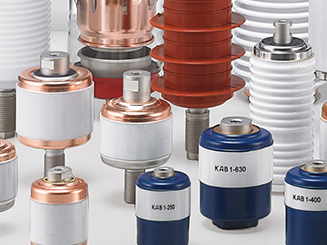
Vacuum Contactor vs. AC Contactor, What is the Differences?
Vacuum contactors provide superior durability and low maintenance for high-voltage systems, while AC contactors are cost-effective and versatile for lower-voltage needs.
Read More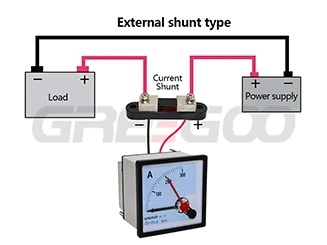
How to use DC Current Shunt? A Comprehensive Guide on DC Shunt Resistor
Understanding DC Current Shunts, A Comprehensive Guide.
Read More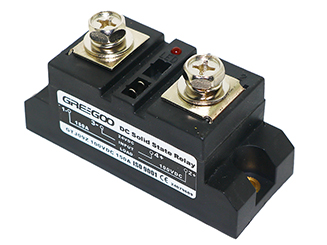
Advantages of Low Voltage Drop DC Solid-State Relays - Heatsink is not required
Low voltage drop DC solid-state relays offer significant advantages in terms of efficiency, low heat generation, and high reliability, making them particularly suitable for applications requiring high efficiency and low energy consumption.
Read More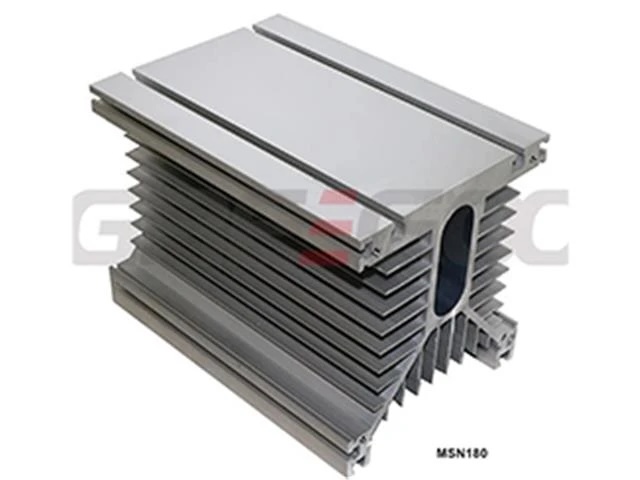
Guide to Heatsink Calculation and Selection
A heatsink is a device used for heat dissipation, commonly found in electronic devices to help dissipate heat and prevent overheating.
Read More

We value your privacy
We use cookies to enhance your browsing experience, serve personalized ads or content, and analyze our traffic. By clicking "Accept All", you consent to our use of cookies.
