


Bidirectional Charging and Discharging SSR: A High-Efficiency and Reliable DC Energy Switching
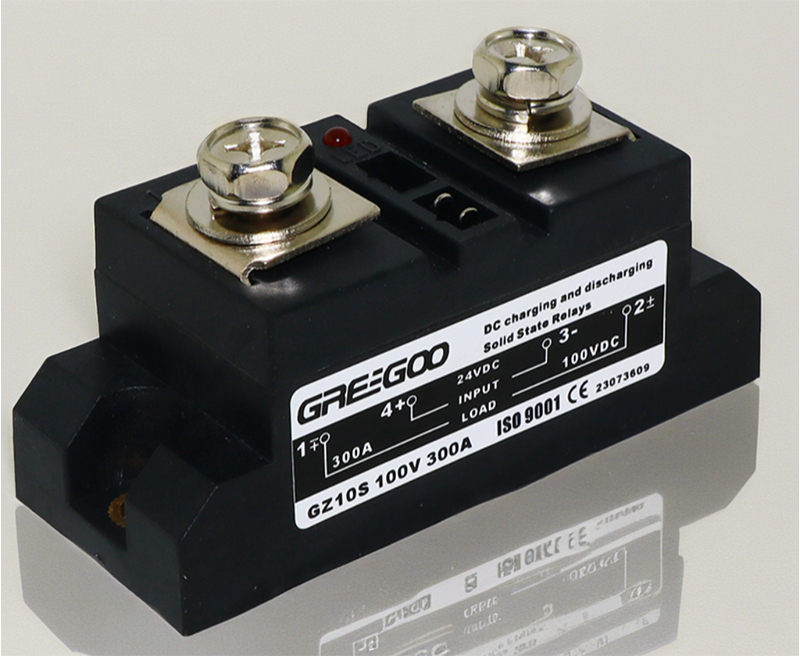
Conventional DC SSRs conduct in only one direction. Reverse current flows passively through the body diode and cannot be actively blocked. Using two SSRs in reverse parallel for bidirectional control requires dual signals and risks short circuits from timing mismatches.
The bidirectional charging and discharging SSR solves this with an integrated back-to-back MOSFET design. It enables synchronous bidirectional switching using just one control signal - no external diodes needed. This design provides a reliable, integrated solution for true bidirectional energy management.
In applications such as battery charging/discharging and energy storage, energy frequently switches between charging and discharging directions.
Advantages:
- Single-signal drive for free bidirectional switching;
- No external components required, achieving high system integration;
- Built-in overcurrent and short-circuit protection for safer operation;
- Optocoupler isolation input with strong anti-interference capability, suitable for industrial environments.
Typical Applications:
- Battery charge-discharge control in energy storage systems;
- DC switch in electric vehicle (EV) power management systems;
- Charge-discharge testing and cyclic aging equipment for batteries and capacitors;
- Industrial DC power systems requiring bidirectional switching without polarity.
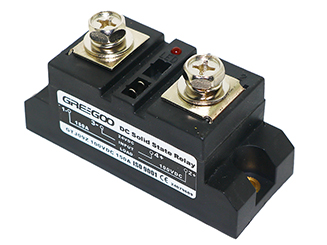
Advantages of Low Voltage Drop DC Solid-State Relays - Heatsink is not required
Low voltage drop DC solid-state relays offer significant advantages in terms of efficiency, low heat generation, and high reliability, making them particularly suitable for applications requiring high efficiency and low energy consumption.
Read More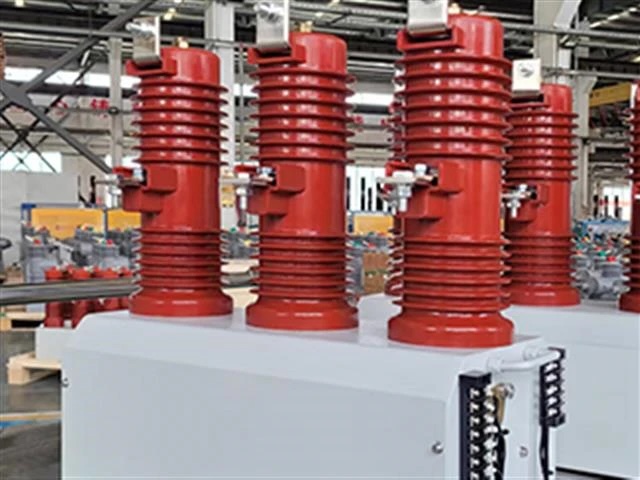
12KV Vacuum Contactor with Vacuum Circuit Breaker Integrated - Frequent Switching under Higher Breaking Capacity 31.5kA
12KV 630A to 1250A 31.5KA Vacuum Contactor + Vacuum Circuit Breaker, frequently switching under high breaking capacity
Read More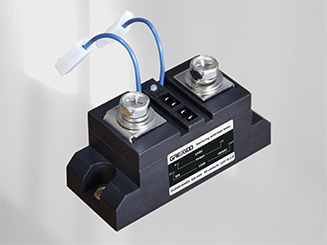
Built-in Over-temperature Protection Operating Principle of GDZ08M Monitoring AC Solid State Relay
Over-temperature Protection Working Principle of monitoring SSR, built-in diagnostic output function
Read More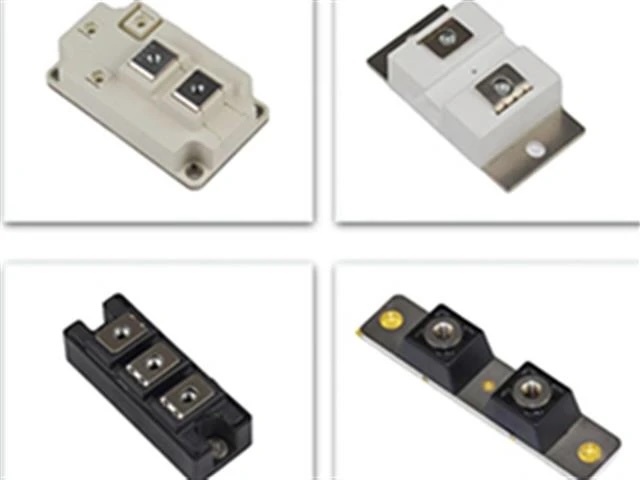
Fast Recovery Epitaxial Diode vs Fast Recovery Diode Module
Fast Recovery Epitaxial Diode vs Fast Recovery Diode Module, what's their difference from
Read More

We value your privacy
We use cookies to enhance your browsing experience, serve personalized ads or content, and analyze our traffic. By clicking "Accept All", you consent to our use of cookies.
